President says Egypt is committed to uninterrupted energy supplies, while Madbouly highlights rising oil import costs and a target of 50% renewable energy by 2030
Egyptian President Abdel-Fattah El-Sisi said on Thursday that the state bears most of the cost of supplying energy to households and industry, noting that limited resources often force the government to borrow to maintain supplies amid rising global prices and geopolitical disruptions.
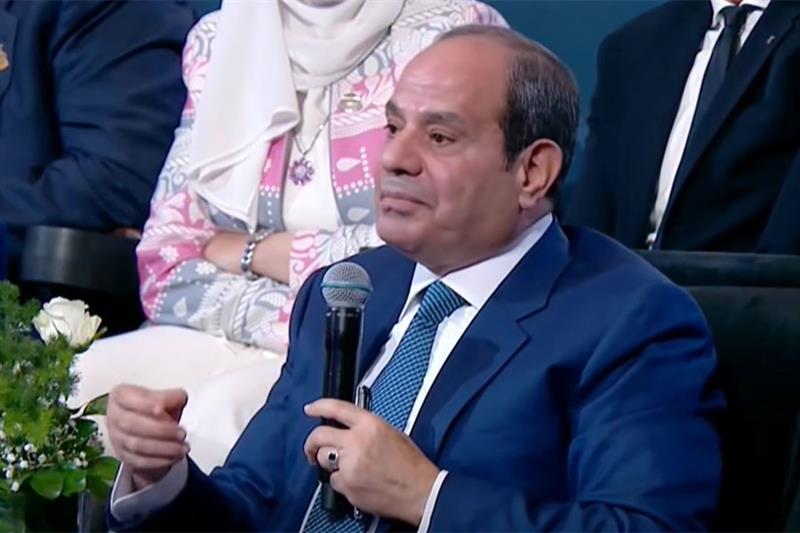
Speaking on the fourth day of Egypt Forum 2026, El-Sisi stressed the importance of explaining the challenges facing the energy sector to citizens, as international market volatility increases the financial burden on the state.
According to a presidential statement, the president reaffirmed the government’s commitment to ensuring uninterrupted energy supplies despite mounting pressures. He also called on Egyptians to support the country by continuing to work and produce to help overcome current challenges.
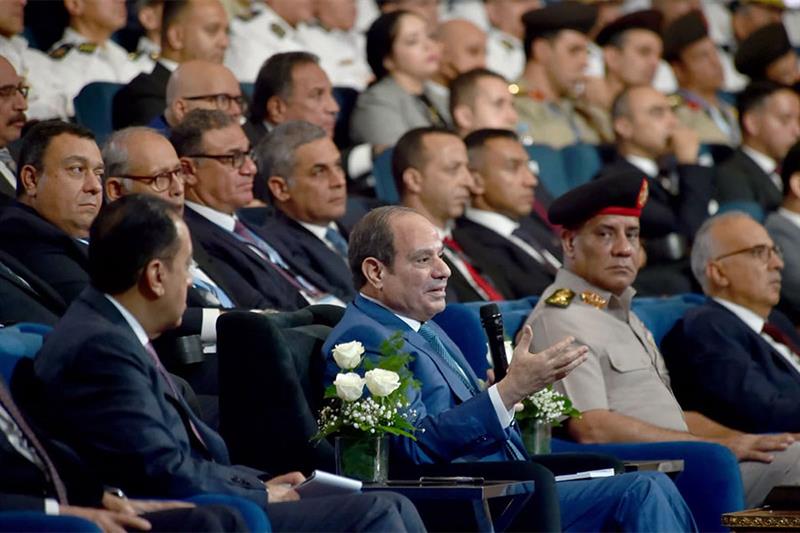
El-Sisi attended a session titled “Egypt’s Energy Journey: National Achievements and Future Prospects,” alongside Prime Minister Mostafa Madbouly, ministers and energy experts.
Egypt’s Energy Strategy and Infrastructure Investment
El-Sisi said the state adopted a plan in 2014 to address the energy crisis that emerged in 2012 and 2013, explaining that the scale of the required investment and the identification of financing sources represented the main challenges.
The strategy included developing comprehensive energy infrastructure while incorporating new and renewable energy sources, he added.
The president emphasized that securing energy supplies requires investments extending beyond power generation plants, whether they operate on fossil fuels or renewable sources. The system also depends on electricity distribution networks, control facilities and supporting infrastructure, while accounting for geopolitical developments affecting international energy markets.
He also stressed the importance of raising public awareness of the energy sector’s complexities, noting that bidding rounds offering the highest prices in the sector may take five to seven years to deliver results.
Rising LNG and Oil Import Costs Add to Fiscal Pressure
The financial pressures have also affected Egypt’s energy imports. In August, Petroleum Minister Karim Badawi said the cost of an imported liquefied natural gas (LNG) cargo had doubled to approximately $80 million amid regional conflict.
El-Sisi reaffirmed the state’s commitment to continued cooperation with the private sector to develop the energy industry. He also said Egypt had settled all outstanding dues owed to foreign partners in June 2026.
The government had previously prioritized clearing arrears owed to international energy companies to restore investor confidence and encourage further exploration and production activities.
Energy Subsidies and Borrowing Costs Approach EGP 1 Trillion
During Thursday’s session, Finance Minister Ahmed Kouchouk said subsidy allocations across all sectors amounted to EGP 840 billion in the current fiscal year.
He explained that the associated borrowing costs added approximately 20%, bringing the effective financial burden to around EGP 1 trillion.
Madbouly said the state budget had been prepared on the assumption that oil imports would cost $75 per barrel, but prevailing geopolitical conditions had pushed prices to approximately $110.
This left the government facing three options: pass the additional cost on to citizens, absorb the increase despite limited financial resources, or borrow to finance oil imports.
The prime minister noted that borrowing subsequently prompted criticism and questions about rising public debt, even though the additional costs resulted from external circumstances beyond the state’s control.
Egypt Targets 50% Renewable Energy by 2030
Madbouly said Egypt was working to diversify its energy mix and expand renewable energy generation, targeting a 50% share of renewable sources by 2030.
The country’s renewable energy expansion includes the Benban Solar Park and wind farms in the Gulf of Suez, alongside plans for a 10-gigawatt wind power project.
The forum session also reviewed upgrades to the national electricity transmission grid to accommodate renewable generation and supply development projects, as well as improvements to electricity distribution networks.
Participants discussed progress in reversing the decline in natural gas production, restoring growth, securing supplies for all sectors and expanding infrastructure for receiving liquefied natural gas, according to the presidency.
Geopolitical Risks and Energy Security
Discussions addressed global and regional geopolitical instability, disruptions to supply chains and government measures to mitigate their impact on Egypt’s energy sector.
The session also featured a film presenting citizens’ views and proposals concerning energy-related challenges.
El-Sisi said the forum was intended to explain the country’s economic realities, including the challenges involved in maintaining reliable energy services. He had invited public participation when he launched the forum’s preparatory sessions and website on 1 October.
The discussions highlighted the growing importance of diversifying energy sources, expanding domestic production and accelerating renewable energy projects to reduce exposure to international price volatility and limit the pressure of energy imports on public finances.