
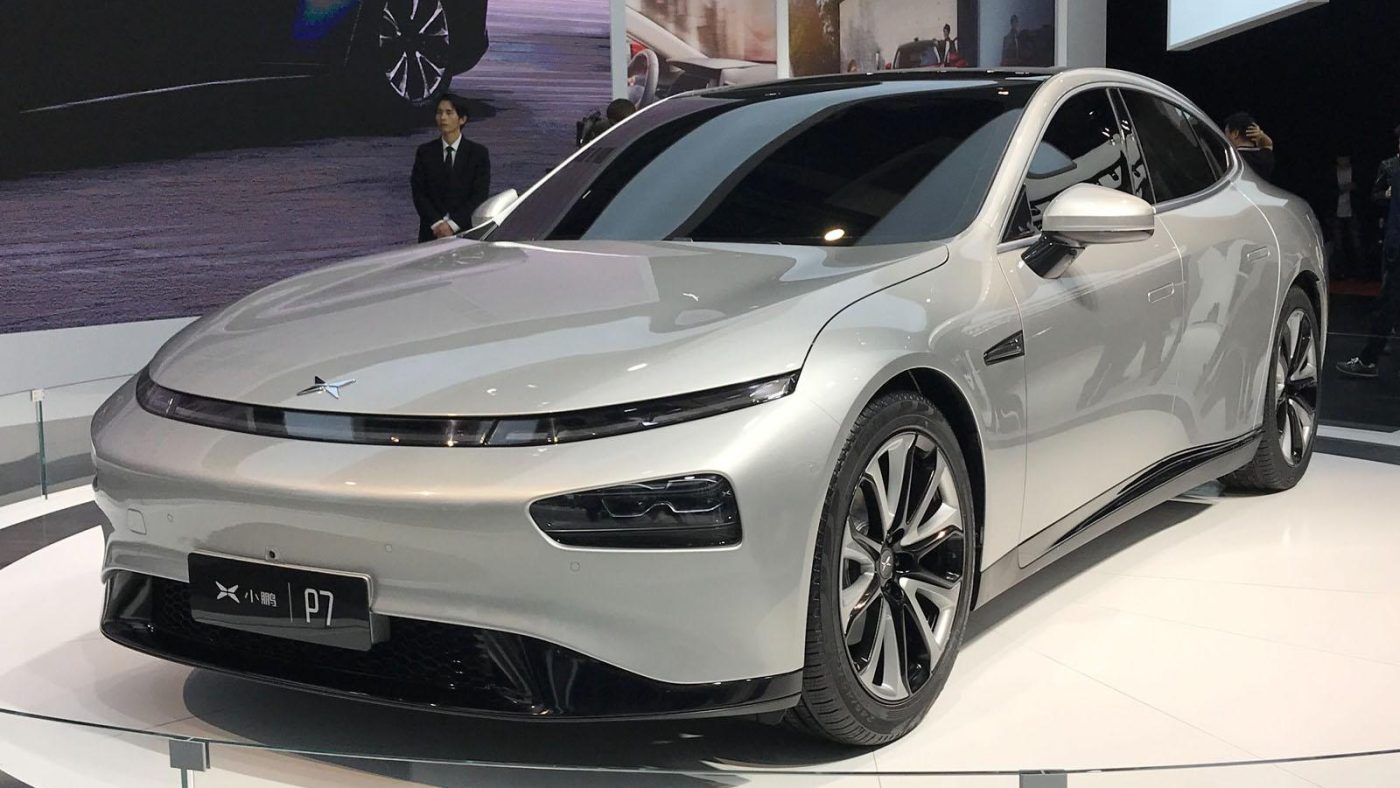
As the Egyptian market continues to expand its range of Chinese electric vehicles, XPENG has emerged as a brand that emphasizes advanced technology, intelligent driving systems and premium features. However, beyond specifications and equipment, the long-term cost of ownership, spare parts availability, repair turnaround times and component lifespan remain critical factors consumers should evaluate before making a purchase.
These considerations raise questions about the competitiveness of XPENG vehicles in Egypt, particularly as consumers gain access to a growing range of Chinese electric alternatives with different price points, equipment levels and after-sales service networks.
XPENG Prices Put the Brand in Competition with Other Electric Vehicles
XPENG’s prices in Egypt vary according to the model, trim level and equipment. The XPENG G6 model year 2026 was listed at approximately EGP 2.19 million, while the XPENG G9 started at around EGP 2.74 million, reaching approximately EGP 3.15 million for the top trim, according to published 2026 price lists.
These price levels place XPENG models in competition with several other Chinese electric vehicles, including the Zeekr 7X, whose advertised prices in Egypt have ranged from approximately EGP 2.099 million to EGP 2.799 million.
The initial comparison highlights overlapping price ranges across certain models, although performance, equipment, battery capacity and trim specifications differ. Assessing value for money therefore requires looking beyond the purchase price to include maintenance and repair costs, warranty coverage, spare parts availability and expected resale value.
A higher price alone does not necessarily mean that a vehicle is less competitive. A meaningful assessment requires a like-for-like comparison of specifications, equipment, warranty terms and long-term operating costs.
Spare Parts: A Key Challenge in Ownership Costs
Spare parts are an important consideration when evaluating modern electric vehicles, particularly models that rely on advanced electronic systems and specialized components requiring diagnostic equipment, software and trained technicians.
For XPENG vehicles, buyers should ask about the cost and availability of components such as charging units, electronic control modules, suspension parts, headlights, exterior body panels, battery components and electric powertrain parts.
Importing specialized components, or finding that certain parts are unavailable locally when needed, may increase repair costs or extend vehicle downtime if parts must be sourced from abroad. However, determining how frequently these issues affect XPENG vehicles in Egypt, or establishing that their spare parts are more expensive than those of competitors, requires actual price lists and comparisons of equivalent components across authorized dealers and service centers.
Meanwhile, Raya Auto, XPENG’s official distributor in Egypt, advertises genuine spare parts and accessories, warranty services, roadside assistance and remote diagnostics. The availability of these services, however, does not necessarily mean that every component is immediately available from local stock. A proper assessment requires information on actual delivery times and stock availability for frequently requested parts.
This highlights the importance of providing consumers with clear information about the prices of commonly replaced components, repair costs outside warranty coverage and estimated delivery times for unavailable parts.
Do XPENG Components Have a Shorter Lifespan Than Those of Competitors?
Component lifespan is an important factor in determining the total cost of vehicle ownership. However, a comparison between XPENG and competing brands cannot be conclusive without reliable data on failure rates and the average mileage components achieve before replacement.
Lifespan varies according to the type of component, driving conditions, road quality, driving style and maintenance practices. Tires, for example, are affected by high torque, vehicle weight, tire pressure and wheel alignment, while suspension components are influenced by road conditions, loads and driving habits.
Electric vehicles may also benefit from regenerative braking, which reduces reliance on conventional friction brakes and can limit wear on certain braking components compared with vehicles that rely more heavily on friction braking. Actual results nevertheless depend on vehicle design and operating conditions.
Battery longevity is another important consideration. It cannot be assumed that XPENG batteries have shorter lifespans than those used by competitors without comparative data. Battery life depends on several factors, including cell chemistry, thermal management, charging and discharging patterns, and operating conditions.
Assessing the lifespan of XPENG components in Egypt therefore requires field data from vehicles operating locally. Such data should cover replacement rates, component prices, mileage at the time of failure and the frequency of recurring faults compared with competing models in the same segment.
Advanced Technology Increases the Need for Specialized Maintenance
XPENG vehicles feature integrated software systems, driver-assistance technologies, electronic displays and sensors. As a result, diagnostics and repairs increasingly depend on access to appropriate equipment, software and technical expertise.
In some cases, repairing a fault may involve more than replacing a mechanical component. Software programming or electronic calibration may also be required after installing a replacement part. This makes service-center expertise, technician training and access to diagnostic tools important factors in determining repair costs and turnaround times.
Buyers should also examine warranty terms carefully, including coverage for electronic components, batteries, electric motors and suspension systems, as well as the conditions governing warranty claims for different types of faults.
The Real Value of a Vehicle Goes Beyond Its Purchase Price
A meaningful economic comparison between XPENG and its competitors requires calculating the total cost of ownership, including the purchase price, charging, routine maintenance, repairs, insurance, spare parts and expected resale value.
A vehicle with advanced technology and extensive equipment may appear attractive at the time of purchase. However, consumers also need to understand the cost of keeping it over several years, how easily spare parts can be obtained and how long the vehicle might remain out of service when a fault occurs.
As competition intensifies in the electric vehicle market, transparent pricing, reliable parts availability and efficient after-sales services are becoming essential to building consumer confidence and strengthening a vehicle’s overall value proposition.