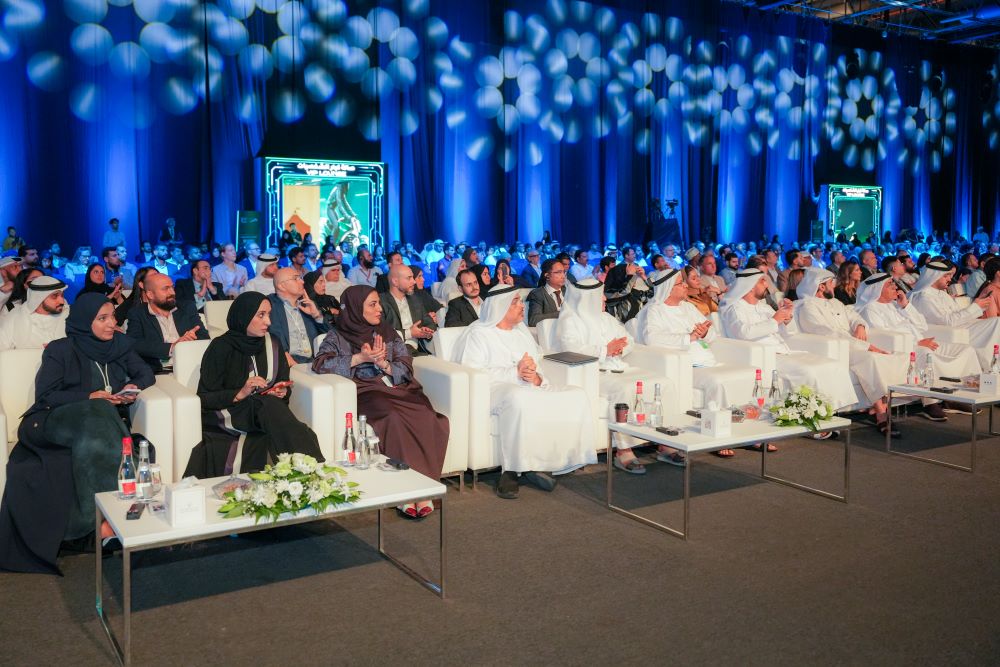
The Dubai International Electric Vehicle Expo and Conference 2026 continued its programme today with a focus on localising electric vehicle (EV) industries and deepening UAE-China cooperation in green and smart mobility. Organisers also announced a new permanent platform to turn partnerships into projects.
Organised by Dubai’s Roads and Transport Authority (RTA), the event opened yesterday at the Dubai World Trade Centre under the patronage of His Highness Sheikh Hamdan bin Mohammed bin Rashid Al Maktoum, Crown Prince of Dubai, Deputy Prime Minister, Minister of Defence and Chairman of the Executive Council of Dubai.
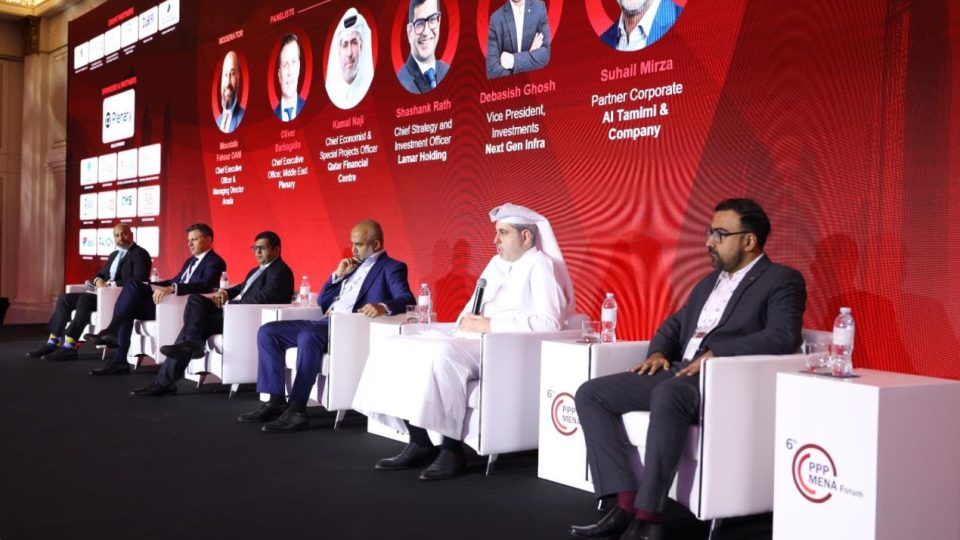
The second day featured the UAE-China Industrial Cooperation Forum on Green and Smart Mobility. Experts and representatives of global EV, energy and technology companies discussed how to move beyond traditional trade towards deeper partnerships in technology localisation and supply chain development. The forum also reviewed how Chinese expertise in EV manufacturing and charging infrastructure can be applied, alongside opportunities in research and development.
New centre to run year-round
Daoud Al Shezawi, Chairman of the expo, announced the launch of the UAE-China Smart Mobility Centre. It will operate all year to strengthen cooperation in clean and smart mobility and convert dialogue into investments, projects and jobs.
He said the announcement responds to a closed-door meeting held on the sidelines of the first day. Government and Chinese company representatives called there for clear licensing and approval pathways, compatibility of vehicles with local charging networks, local partners for services and skills development, and continued contact with decision-makers after the event.
The centre will work through three main tracks. The first is a single window to help Chinese companies reach the relevant authorities and understand requirements, from licensing and vehicle approval to safety and charging standards. The second is connecting Chinese vehicle and technology makers with fleet operators, charging networks, industrial partners and investors in the UAE through regular meetings. The third is supporting pilot projects for proven technologies in autonomous taxis, autonomous logistics, charging and energy, so companies can test and scale solutions in the UAE before expanding regionally.
Al Shezawi said the centre is not a building or traditional headquarters but a commitment to year-round collaboration. Progress will be reviewed at the next edition of the expo.
Partnership beyond trade
Al Shezawi described the UAE-China partnership as one of the strongest in the world. He said non-oil trade between the two countries exceeded US$100 billion for the first time last year, growing 24.5%. China is the UAE’s largest trading partner, and the UAE is China’s top trading partner in the Arab world.
He said the next phase will extend to practical projects in transport, charging networks, ports and aviation. These will draw on China’s leadership in new-energy vehicles, batteries, charging, connected smart vehicles and autonomous driving, and on the UAE’s clear vision for clean mobility, world-class infrastructure and strategic location linking Asia, the Middle East, Africa and Europe.
He added that this positions the UAE as a hub for testing and scaling Chinese mobility technologies before taking them to regional markets. Early signs are already visible in autonomous taxis, electric buses and new models launched by Chinese brands in the UAE market. Dubai has also set a target to convert its entire taxi and limousine fleet to electric and hydrogen vehicles by 2040.
Wider conference agenda
Conference sessions explored AI in EV charging and vehicle-to-grid technologies that allow electricity to be exchanged between vehicles and the grid. Other sessions covered the transformation of vehicle retail, barriers to consumer adoption, and the use of AI to improve business efficiency.
Participants also examined security risks linked to connected vehicles and drones, and the need for stronger cybersecurity. The agenda included climate neutrality, air quality, electric marine mobility, and the role of renewable-powered microgrids and energy storage in land, sea and air transport.