
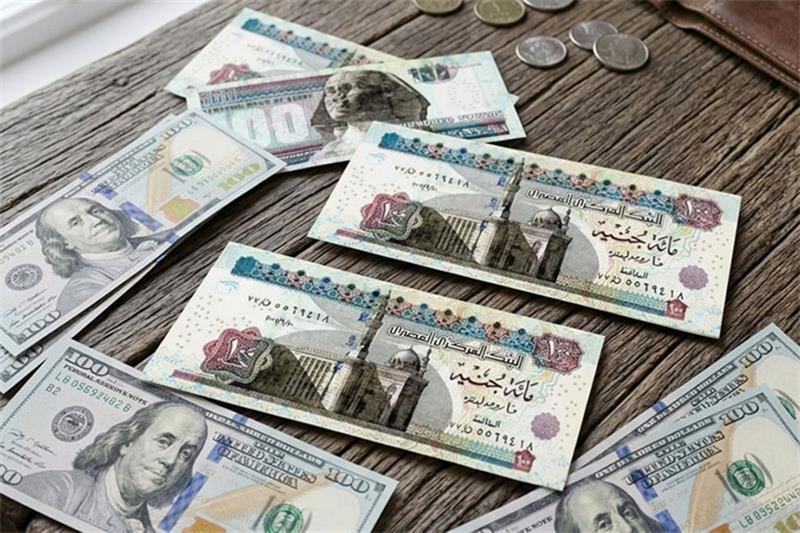
The US dollar has climbed above the EGP 56 threshold in Egypt, reaching EGP 56.18 in interbank and market transactions as rising demand for foreign currency adds further pressure on the Egyptian pound.
The latest increase comes amid stronger demand from companies seeking to settle import bills, particularly for energy and food commodities, alongside external financing pressures and continued regional geopolitical uncertainty.
According to the provided market figures, the Egyptian pound has depreciated by more than 5% against the US dollar this month, highlighting the growing challenges facing the local currency.
At the National Bank of Egypt (NBE) and Banque Misr, the dollar was quoted at EGP 56.05 for buying and EGP 56.15 for selling.
The Commercial International Bank (CIB) listed the dollar at EGP 56.10 for buying and EGP 56.20 for selling, while the Arab International Bank (AIB) quoted it at EGP 56.12 and EGP 56.22, respectively.
Abu Dhabi Islamic Bank (ADIB) recorded the highest rates among the five banks, offering EGP 56.15 for buying and EGP 56.25 for selling.
External Pressures Intensify Strain on the Pound
The pound’s depreciation reflects a combination of external and domestic pressures, including heightened geopolitical uncertainty in the region, which has weighed on foreign portfolio investment flows, as well as scheduled external debt repayments.
Meanwhile, increased corporate demand for dollars and higher costs associated with settling import transactions have added to demand for foreign currency, intensifying pressure on the exchange rate.
Market attention is now focused on the upcoming meeting of the Central Bank of Egypt’s (CBE) Monetary Policy Committee, scheduled for Thursday, with analysts expecting interest rates to remain unchanged.
The CBE continues to operate under a flexible exchange-rate regime, allowing market forces to determine the pound’s value as the economy responds to external shocks and changing foreign-currency demand.
The latest decline underscores the ongoing challenge of managing foreign-exchange demand and external financing obligations while maintaining exchange-rate stability and supporting broader economic conditions.