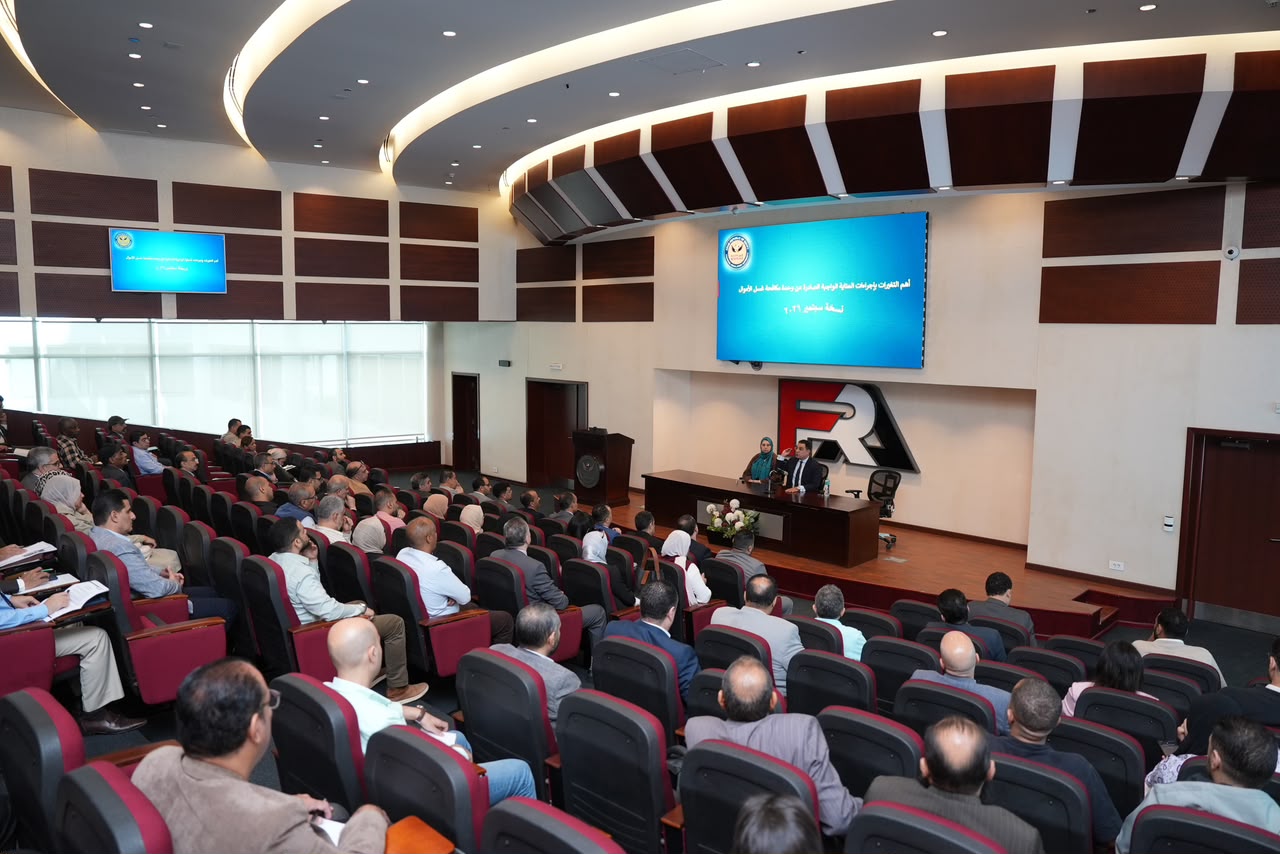
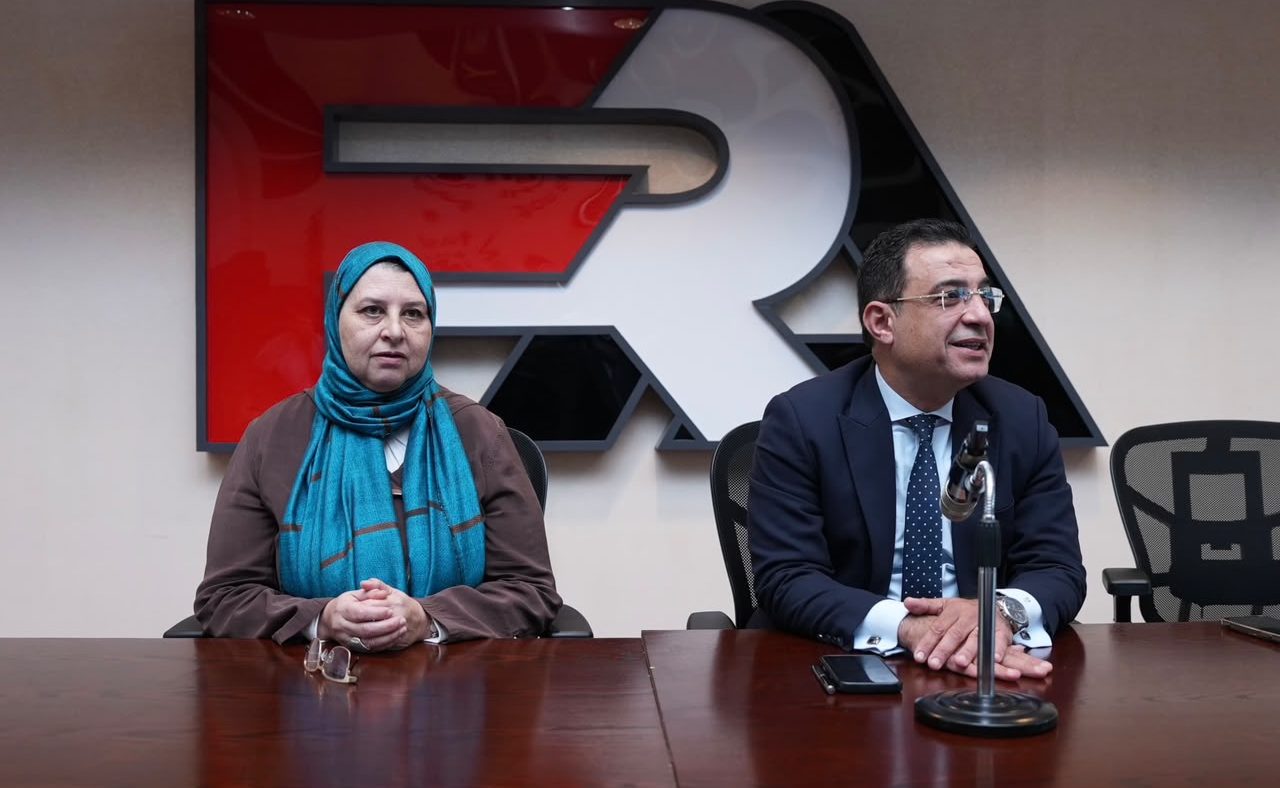
The Financial Regulatory Authority (FRA), chaired by Dr. Islam Azzam, organized a workshop for Anti-Money Laundering and Counter-Terrorist Financing (AML/CFT) officers at companies subject to its supervision and oversight. The workshop aimed to raise awareness of the customer due diligence procedures issued by the Money Laundering and Terrorist Financing Combating Unit last September and strengthen compliance with relevant regulatory requirements.
Dr. Islam Azzam stated that the FRA’s recently issued Circulars Nos. 5, 8, and 10 of 2026 introduced several obligations to ensure the effective implementation of customer due diligence procedures. These requirements seek to align the efforts of the FRA and the Unit in raising awareness of emerging fraud and money laundering methods, identifying risks at an early stage, and updating companies’ internal policies and identity verification forms.
FRA Highlights Key Updates to Customer Due Diligence Procedures
At the beginning of the workshop, Hamdy Badawy, Assistant to the FRA Chairman, emphasized the importance of complying with the new requirements to prevent the misuse of non-banking financial activities for illicit purposes and strengthen confidence in financial markets.
He also stressed the need to comply with relevant regulations and decisions in line with the international frameworks governing financial activities and the standards and mandates of international and regional Financial Action Task Forces (FATFs). He highlighted the importance of following all stages of examination and verification, from identifying suspicious activities to taking the necessary measures.
The workshop was led by Maha Kanz, Head of the FRA’s Central Administration for Combating Money Laundering and Terrorist Financing. She presented the key updates, including the introduction of ongoing transaction monitoring as part of customer due diligence procedures, alongside requirements for regularly and continuously updating customer data and information.
These measures are designed to enhance financial institutions’ ability to monitor transaction patterns, identify unusual activities, and address potential risks.
The workshop also covered the main elements of customer due diligence, particularly identifying customers and beneficial owners and verifying their identities, screening against adverse lists, and adopting a risk-based approach to assessing and managing risks in accordance with the nature of customers, business activities, and transactions conducted by financial institutions.
Participants were also briefed on requirements applicable to employees of financial institutions, including integrity and competency checks upon recruitment and throughout their employment. The requirements also stipulate that the same customer due diligence procedures must be applied to employees when they seek to obtain any products or services offered by their institution.
New Requirements for Customer Acceptance Policies and Internal Controls
The workshop further addressed customer acceptance policies, including requirements for documenting these policies, obtaining approval from the Board of Directors, and reviewing them at least once every two years or whenever necessary.
Such policies must specify the categories of customers the institution intends to serve based on its risk assessment, as well as the mechanisms for relying on third parties, the conditions governing such arrangements, and the limits of these relationships.
Discussions also covered procedures applicable to financial groups and the importance of implementing consistent AML/CFT controls across their subsidiaries. In addition, the workshop addressed requirements for institutions operating in the insurance sector, taking into account the nature of their insurance products and services and the associated risks.
The FRA emphasized the importance of AML/CFT officers at companies under its supervision complying with the latest updates, revising internal policies and procedures accordingly, strengthening internal monitoring and control systems, and raising employee awareness of AML/CFT requirements.
The FRA will continue to organize similar workshops for companies and entities under its supervision as part of its efforts to strengthen compliance with AML/CFT requirements across non-banking financial activities, mitigate risks, maintain market stability, and protect the rights of market participants.