Beyti, an Almarai subsidiary, has outlined its sustainability targets for 2030, including a 25% reduction in its carbon footprint, a 20% improvement in resource efficiency, zero waste sent to landfill, and 100% recyclable packaging.
The company highlighted its efforts in sustainable manufacturing and social responsibility during an awareness session titled “From Ambition to Impact: Beyti’s Leadership in Embedding Environmental and Social Sustainability Standards.” Held ahead of World Sustainability Day, the session reflected Beyti’s commitment to translating sustainability objectives into tangible results in line with Egypt Vision 2030.
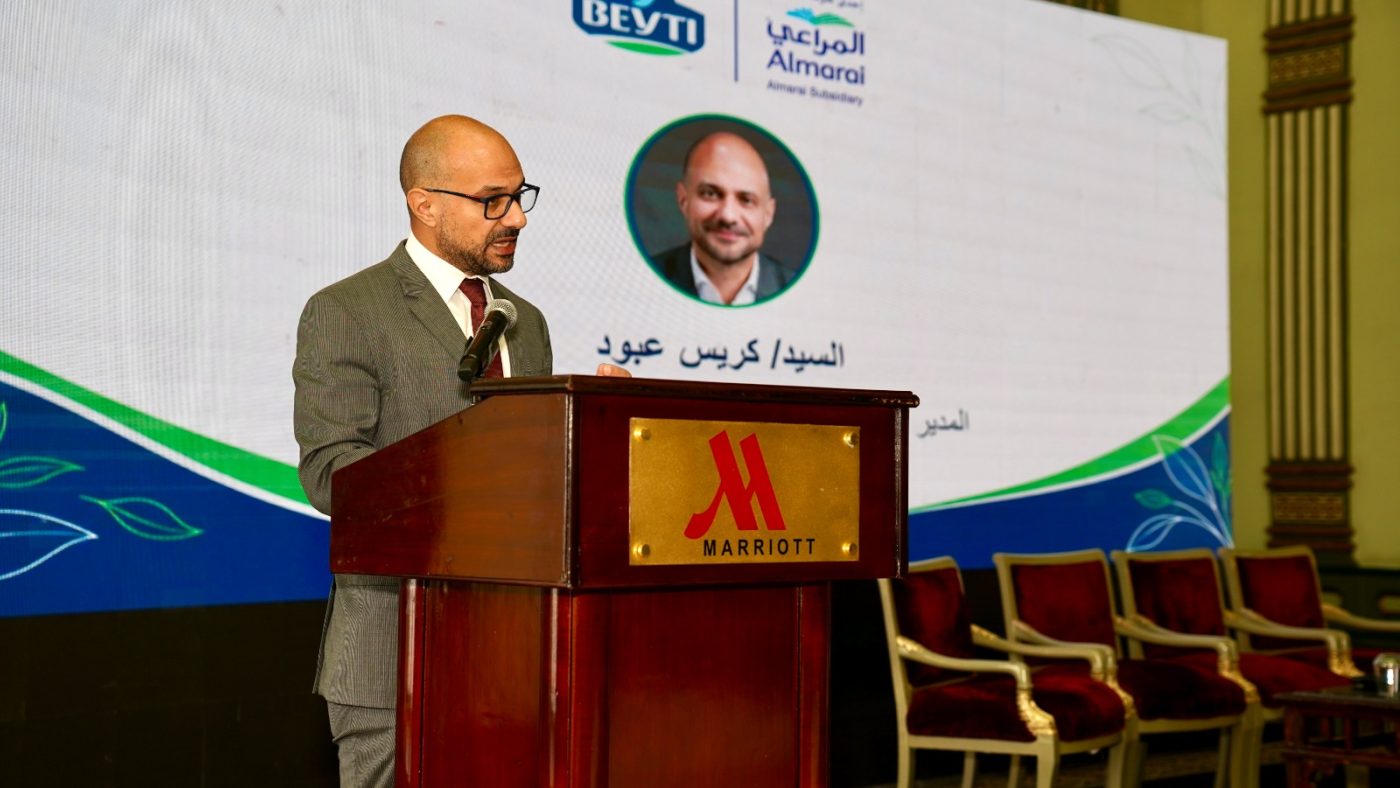
Chris Abboud, General Manager of Beyti, opened the session with a welcome address, followed by keynote speeches from Dr. Nermine Abou El Atta, Advisor to the Minister of Industry for Sustainable Development, and Dr. Saber Osman, Assistant to the Minister of Local Development and Environment for Sustainability and Social Responsibility.
The session addressed national frameworks for sustainable manufacturing in the food and beverage sector and explored how private-sector partnerships can create new opportunities for sustainable innovation. The programme also included a ceremony recognising Beyti’s partners for their contributions to the company’s sustainability journey.
Solar Energy and Emissions Reduction
Commenting on the session, Chris Abboud said sustainability is embedded in how Beyti manages its business and creates value. He explained that the company’s “Doing Better Every Day” strategy focuses on caring for people, protecting the planet, and developing safe products.
Abboud added that while applying standards is an essential starting point, the ultimate objective is to achieve meaningful impact through clear targets, practical action, and effective partnerships.
Beyti’s sustainability initiatives build on ongoing efforts to improve energy efficiency and reduce emissions. In 2020, the company began a partial transition to natural gas, contributing to a 30% reduction in carbon dioxide emissions.
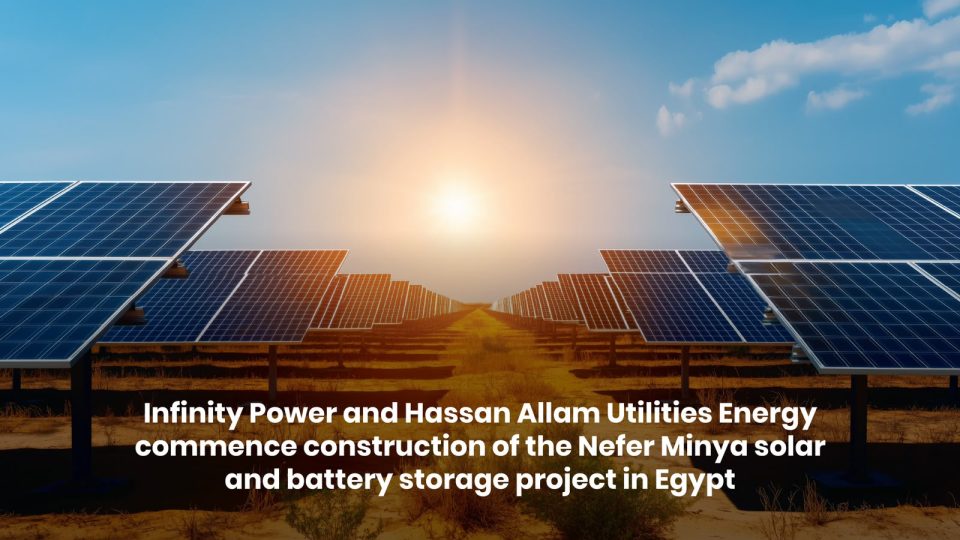
In 2021, Beyti invested in a 7.6-megawatt solar power plant, described in the company’s announcement as the largest grid-connected solar power plant in Egypt’s food and beverage sector. The facility supplies approximately 20% of the factory’s energy needs, with the company targeting an increase to 30% by 2028.
Advancing the Circular Economy
As part of its commitment to the circular economy, Beyti joined the Egyptian Used Beverage Carton (UBC) Pact during COP27 and supported the nationwide “Dawar El 3elba Tdorlak” campaign to promote carton recycling.
Since 2022, the company has prevented the generation of approximately 290 tonnes of plastic waste annually and has recycled around 25,000 tonnes of secondary packaging cartons each year.
Beyti aims to build on these initiatives through its long-term sustainability strategy, which focuses on reducing its carbon footprint, improving resource efficiency, and eliminating waste sent to landfill by 2030.
Supporting Employees and Communities
Beyti’s sustainability agenda also encompasses employee welfare, gender equality, and community development. The company earned Top Employer certification in Egypt for two consecutive years, 2025 and 2026, and works with the European Bank for Reconstruction and Development (EBRD) to advance gender equality.
Its employee-focused initiatives also include equal-length paternity leave and a childcare centre at the company’s headquarters.
In community development, Beyti implements the “A Cup a Day, A Hero Every Day” programme in cooperation with the Egyptian Pediatric Association, with the aim of reaching 100,000 beneficiaries over the next three years.
The company has also contributed to the development of West Nubariya Central Hospital by providing advanced medical equipment to support 600,000 patients.
Through its El-Kasseeb initiative, Beyti has empowered hundreds of young entrepreneurs and aims to reach 800 entrepreneurs by 2027.
Promoting Sustainable Agriculture and Local Sourcing
Through its Kheir Mazare3na programme, Beyti supports more than 100 farms and provides farmers with over 500 hours of training annually, helping promote sustainable agricultural practices and strengthen local sourcing.
The company has invested more than EGP 7 billion in Egypt and has an investment plan worth EGP 8.7 billion for the 2025–2027 period.
Beyti provides approximately 6,000 direct jobs and 19,000 indirect jobs, exports its products to more than 45 countries, and sources 67% of its raw materials and packaging materials locally.
Through its sustainability initiatives, the company aims to integrate environmental responsibility, community development, and operational efficiency across its business as it works towards its 2030 targets..